
What is mycoprotein, and why is it trending?
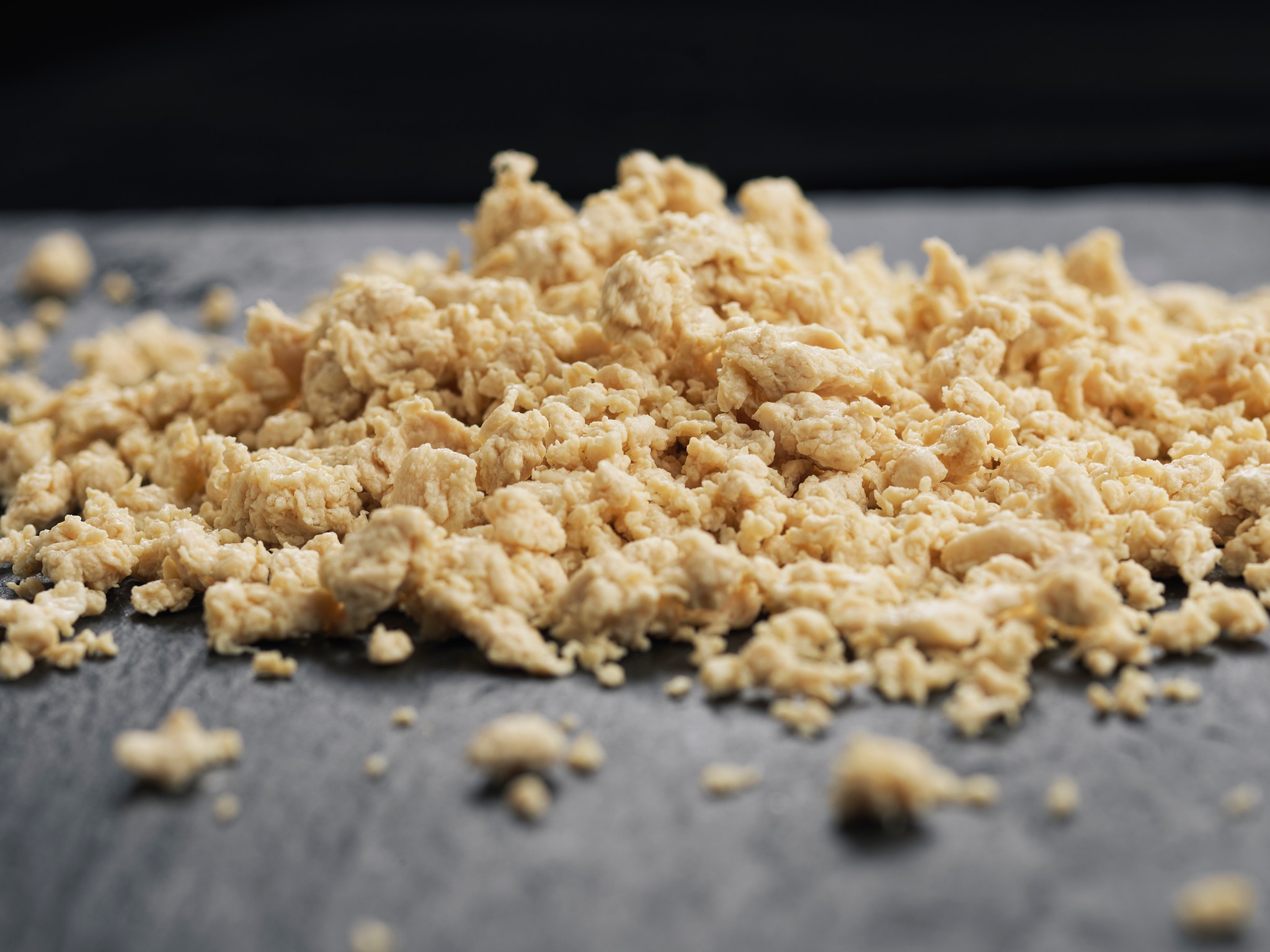
If you’ve been seeing it pop up in supermarkets, fitness blogs, or meat-free recipes, you might be wondering: what is mycoprotein? It sounds technical, but the idea behind it is actually pretty simple, and it’s quickly becoming one of the most talked-about protein sources.
At its core, mycoprotein is a protein made from fungi. It’s grown through a natural fermentation process (similar to how beer or yogurt is made), where a microorganism is fed nutrients and allowed to grow. The result is a high-protein, high-fiber food with a naturally meat-like texture.
That texture is a big part of why it’s become so popular. Unlike some plant-based proteins that need heavy processing to mimic meat, mycoprotein already has a fibrous structure, making it a convincing alternative in everyday meals.
Why is mycoprotein trending?
There isn’t just one reason; it’s hitting several trends at once.
First, there’s the shift toward high-protein diets. More people are paying attention to how much protein they eat, not just for muscle building but for staying full, maintaining energy, and supporting overall health. Mycoprotein offers a convenient way to boost protein intake without relying on traditional meat.
Second, sustainability is playing a big role. Producing mycoprotein generally uses less land and water than livestock farming, and it has a lower environmental impact. As more people try to make environmentally conscious choices, this matters.
Then there’s the rise of flexitarian eating, people who aren’t fully vegetarian but want to cut back on meat. Mycoprotein fits perfectly here, offering a familiar texture and taste without the downsides of heavy meat consumption.
What are the benefits?
Once you understand what is mycoprotein, the next question is why people are choosing it. Nutritionally, it ticks a lot of boxes:
- It’s high in protein, helping with muscle recovery and daily nutrition
- It contains fiber, which supports digestion and keeps you fuller for longer
- It’s typically low in saturated fat, making it a heart-friendly option
- It provides all essential amino acids, meaning it’s a complete protein
That combination is quite rare. Many protein sources either lack fiber or aren’t complete proteins, but mycoprotein manages to offer both.
Who is it for?
One of the reasons mycoprotein is growing so fast is how versatile it is. It works for:
- People are trying to eat less meat without giving it up entirely
- Vegetarians and vegans looking for better protein options
- Gym-goers who want easy, high-protein meals
- Busy people who need quick, nutritious food
You don’t have to completely change your diet to include it, it can simply slot into meals you already enjoy.
So, what is mycoprotein? It’s a modern, sustainable protein source made from fungi, designed to meet the needs of how we eat today.
Its rise isn’t just hype; it reflects a bigger shift toward healthier, more flexible, and more environmentally conscious eating. Whether you’re focused on fitness, sustainability, or just trying something new, mycoprotein is definitely worth knowing about.