
Vegan protein: the best sources, benefits and how to get enough
Protein is essential for building muscle, supporting recovery, and maintaining overall health.
But if you’re following a plant-based diet, you might wonder whether you’re getting enough vegan protein. The good news: with the right approach, meeting your protein needs on a vegan diet is simple, effective, and delicious.
Why Vegan Protein Is Important
Protein plays a key role in nearly every function of the body. It helps repair tissues, supports immune health, and keeps you feeling full and energized throughout the day. Whether you're active, working out regularly, or just aiming for balanced nutrition, getting enough vegan protein is essential.
The Best Vegan Protein Sources
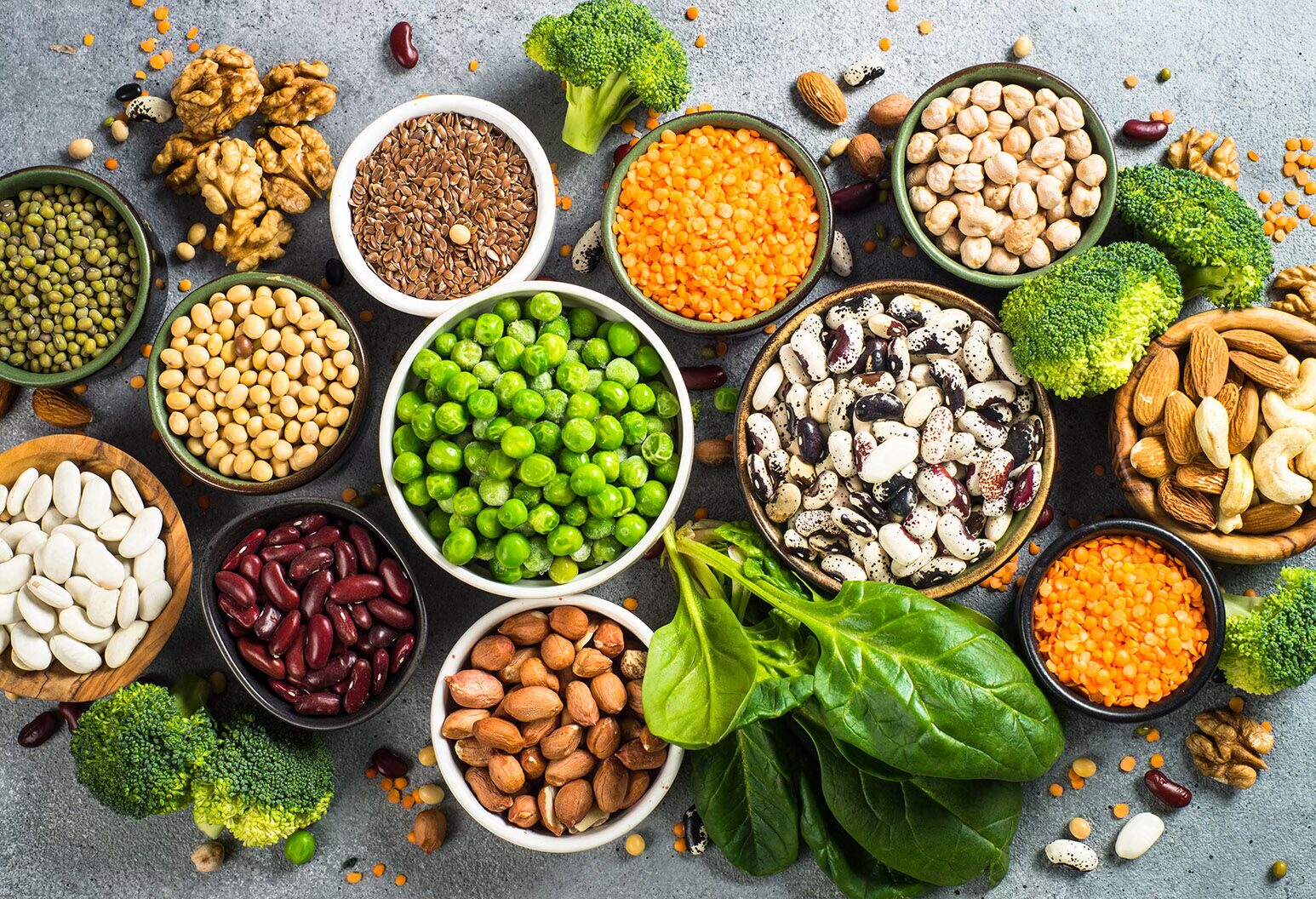
A well-planned vegan diet includes a variety of protein-rich foods:Legumes such as lentils, chickpeas, and beans are excellent staples. They are high in protein, fiber, and important minerals. Whole grains like quinoa, oats, and brown rice also contribute to your daily protein intake. Quinoa is especially valuable as it contains all essential amino acids. Nuts and seeds, including almonds, chia seeds, and hemp seeds, are nutrient-dense and easy to incorporate into meals or snacks.Plant-based products like tofu, tempeh, and modern protein snacks can help boost your intake, especially on busy days.
Benefits of Vegan Protein
Choosing vegan protein offers several advantages beyond just nutrition.
First, it supports muscle growth and recovery when consumed in adequate amounts. Contrary to common myths, plant protein can fully meet athletic needs.
Second, vegan protein is often better for heart health, as it tends to be lower in saturated fat and free from cholesterol. It’s also a more sustainable choice, as plant-based foods generally require fewer resources to produce.
Finally, many people find plant proteins easier to digest, especially when combined with fiber-rich foods.
How to Get Enough Vegan Protein
Ensuring adequate protein intake is all about consistency and variety. Start by including a protein source in every meal. For example, oats with seeds for breakfast, a lentil-based dish for lunch, and tofu or beans for dinner. Combining different plant foods throughout the day helps provide all essential amino acids. You don’t need to overcomplicate it: simple combinations like rice and beans already do the job.
For those with a busy lifestyle, convenient options such as ready-to-eat snacks or protein-enriched foods can make a big difference in maintaining your daily vegan protein intake. It’s also helpful to understand your individual needs. Most adults require around 0.8 grams of protein per kilogram of body weight, while active individuals may need more.
Final Thoughts
Getting enough vegan protein is easier than many people think. With a balanced diet that includes a variety of plant-based foods, you can support your health, fitness goals, and overall well-being. By focusing on high-quality sources and staying consistent, vegan protein can power your body, while aligning with a sustainable and modern lifestyle.