
The fungus behind mycoprotein: how it's grown and why it matters
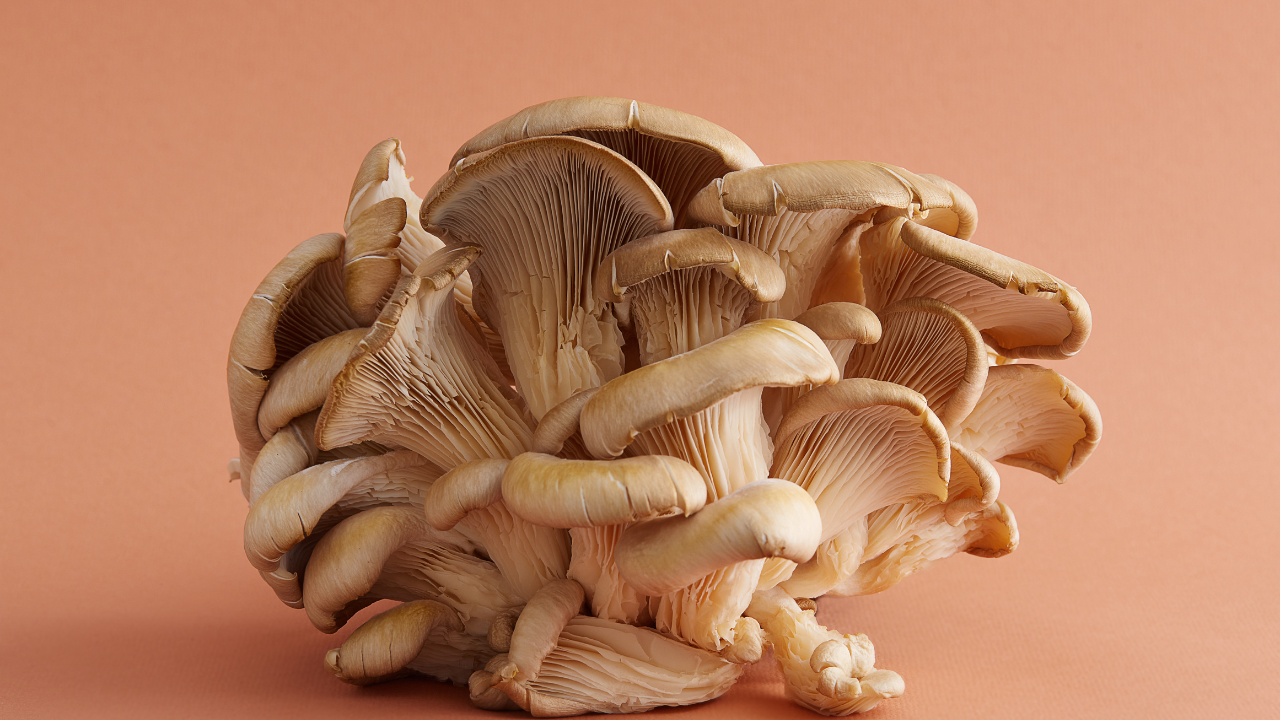
As mycoprotein becomes more popular, people are starting to look beyond the surface and ask a more specific question: what fungus is grown to produce mycoprotein?
It’s a great question because understanding where it comes from helps explain why it’s considered such an innovative and sustainable protein source.
What fungus is used to make mycoprotein?
So, what fungus is grown to produce mycoprotein? The answer is a naturally occurring microorganism called Fusarium venenatum.
This might sound unfamiliar, but it’s been studied and used safely for decades. It’s a type of microscopic fungus found in soil, and scientists discovered that it could be cultivated to produce a high-quality protein with a naturally fibrous texture.
That texture is key, it’s what gives mycoprotein its meat-like structure without needing heavy processing.
How is mycoprotein grown?
The process used to grow Fusarium venenatum is called fermentation, and it’s actually quite similar to methods used in everyday food production, like bread, yogurt, and beer.
Here’s a simplified version of how it works:
- The fungus is placed in a controlled environment (often large fermentation tanks)
- It’s fed nutrients such as glucose, along with oxygen and water
- It grows rapidly, forming a dense network of protein-rich fibers
- The resulting biomass is harvested and shaped into food products
This entire process is carefully controlled to ensure safety, consistency, and quality.
Why this method matters
Understanding what fungus is grown to produce mycoprotein isn’t just a technical detail; it highlights why mycoprotein is gaining attention.
- Efficient production. Unlike traditional livestock farming, growing mycoprotein doesn’t require vast amounts of land. The fungus grows quickly and efficiently in fermentation tanks, producing large amounts of protein in a relatively short time.
- Lower environmental impact. Because it uses fewer natural resources like water and land, mycoprotein production generally has a smaller environmental footprint compared to meat.
- Consistent quality. Since it’s grown in a controlled setting, the final product is consistent in both nutrition and texture, something that’s harder to guarantee with traditional agriculture.
What makes this fungus special?
Fusarium venenatum isn’t just any fungus; it has a few unique qualities that make it ideal for food production:
- It produces high-quality protein with all essential amino acids
- It naturally forms fibrous strands, giving it a meat-like texture
- It contains fiber, which supports digestion
- It grows quickly and efficiently, making it scalable
These characteristics are what allow mycoprotein to stand out from other plant-based or alternative proteins.
Is it safe to eat?
It’s normal to wonder about safety when you hear the word “fungus.” But in this case, Fusarium venenatum has been extensively researched and approved for food use in many countries.
The fermentation process is tightly regulated, and the final product is tested to ensure it meets food safety standards. For most people, it’s considered a safe and nutritious protein source.
Final thoughts
So, what fungus is grown to produce mycoprotein? It’s Fusarium venenatum, a naturally occurring microorganism that’s been transformed into a modern, sustainable food solution.
By using fermentation instead of traditional farming, mycoprotein offers a smarter way to produce protein: efficient, consistent, and lower in environmental impact.
As demand for better food options grows, understanding where our protein comes from matters more than ever, and this tiny fungus is playing a surprisingly big role in the future of food.