Sugar-Free Gummy Bear Reviews: Why Protein Gummies Are Better Than Alternatives
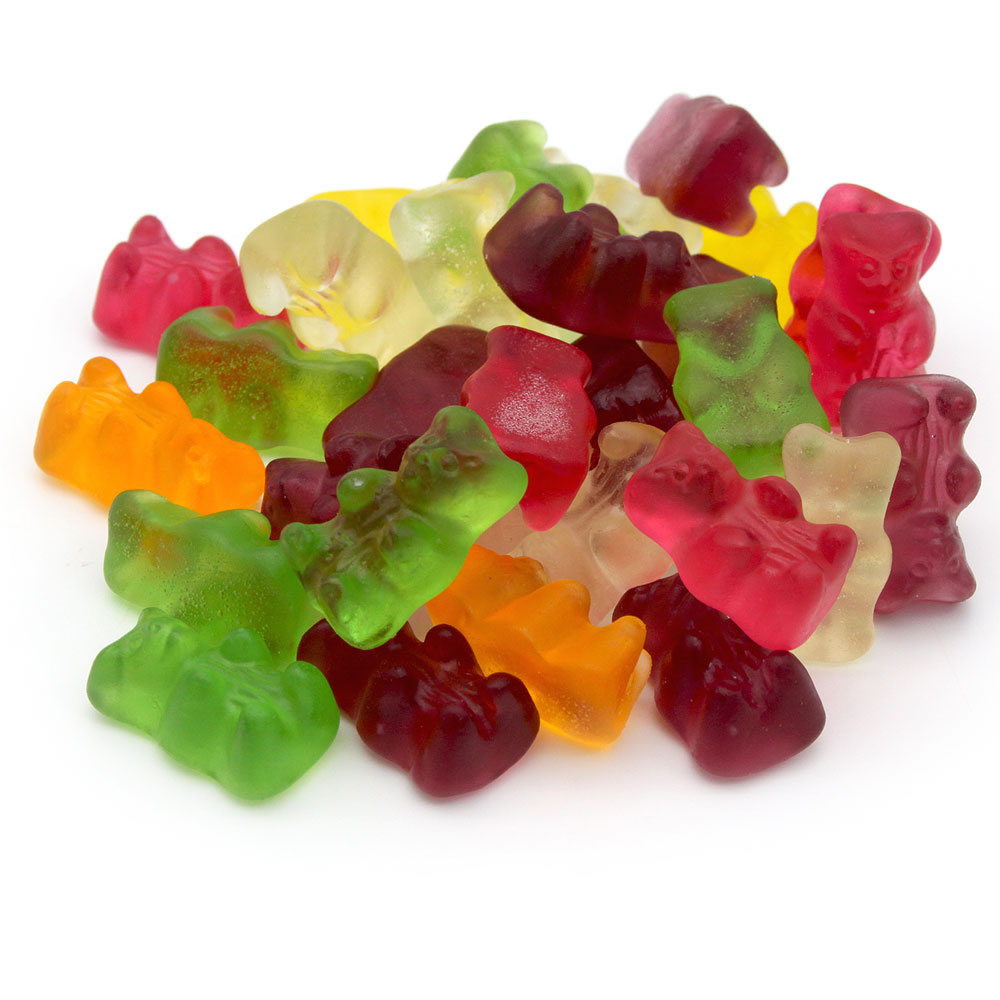
If you’ve ever tried to reduce your sugar intake without giving up sweets completely, you’ve probably come across sugar free gummy bears. They are often marketed as a simple solution: the same fun, chewy experience of traditional sweets, but without the sugar. For many people in the UK who are trying to eat better while still enjoying snacks, that sounds like the perfect balance.
However, once you start reading reviews or trying them yourself, the reality becomes a bit more mixed.
Sugar free gummy bears have gained a reputation online for being unpredictable. While some people enjoy the taste and the idea behind them, many reviews highlight issues with texture, aftertaste, and especially digestion. The reason for this usually comes down to the ingredients used to replace sugar. Instead of traditional sugar, these products often rely on sugar alcohols like maltitol or sorbitol. These sweeteners reduce calories, but they can also be difficult for the body to process, especially in larger quantities.
This is why you often see strong reactions in reviews. Some people mention bloating or discomfort after eating even a small portion. Others say the flavour feels artificial or that the texture is not quite the same as traditional gummy sweets. So while sugar free gummy bears solve one problem, they sometimes create another.
At the same time, the demand that made these products popular has not disappeared. People still want sweets that feel lighter, less sugary, and more aligned with a balanced lifestyle. That’s where a newer category starts to stand out: protein gummies.
Instead of focusing only on removing sugar, protein gummies take a different approach. They try to improve the overall nutritional profile of the snack, not just reduce one ingredient. By including protein, they can help you feel more satisfied, while still delivering the sweet, chewy experience people are looking for.
Another important difference is how modern products are evolving in terms of ingredients. Newer formulations are moving away from heavy use of sugar alcohols and exploring alternative protein sources that allow for better digestion and a more natural texture. One example is mycoprotein, a protein derived from fungi, which offers a smoother structure and can be easier on the stomach compared to some traditional substitutes.
This shift changes the experience completely. Instead of worrying about how your body will react, you can focus on enjoying the snack itself. The texture feels closer to what you expect from gummy sweets, and the taste is often more balanced, without the overly artificial sweetness that some sugar free gummy bears have.
For anyone who regularly reaches for sweets during the day, this opens up a more practical option. Rather than relying on sugar free gummy bears and hoping for the best, switching to protein gummies can provide a more consistent and enjoyable experience. A simple habit, like having a few Mycoregums in the afternoon instead of traditional sugar-free sweets, can make a noticeable difference over time. It keeps the moment of indulgence, but avoids many of the downsides that people often mention in reviews.
This doesn’t mean sugar free gummy bears are entirely bad. They played an important role in changing how people think about sweets and reducing sugar consumption. But as consumer expectations evolve, it’s clear that just removing sugar is no longer enough. People are now looking for snacks that feel good, taste good, and fit naturally into their lifestyle.
Protein gummies are part of that next step. They offer a more balanced alternative, combining enjoyment with functionality in a way that feels less forced and more intuitive.
In the end, the goal is not to eliminate sweets completely, but to find better ways to enjoy them. And for many people, that means moving beyond sugar free gummy bears and choosing something that delivers a more complete experience.