Single cell protein explained: what it is and why it matters for the future of food
As the demand for sustainable and efficient nutrition grows, a term you might start seeing more often is single-cell protein. But what does it actually mean?
Let’s break it down in a simple way and explore why it’s becoming such an important part of the future of food.
Single-cell protein meaning
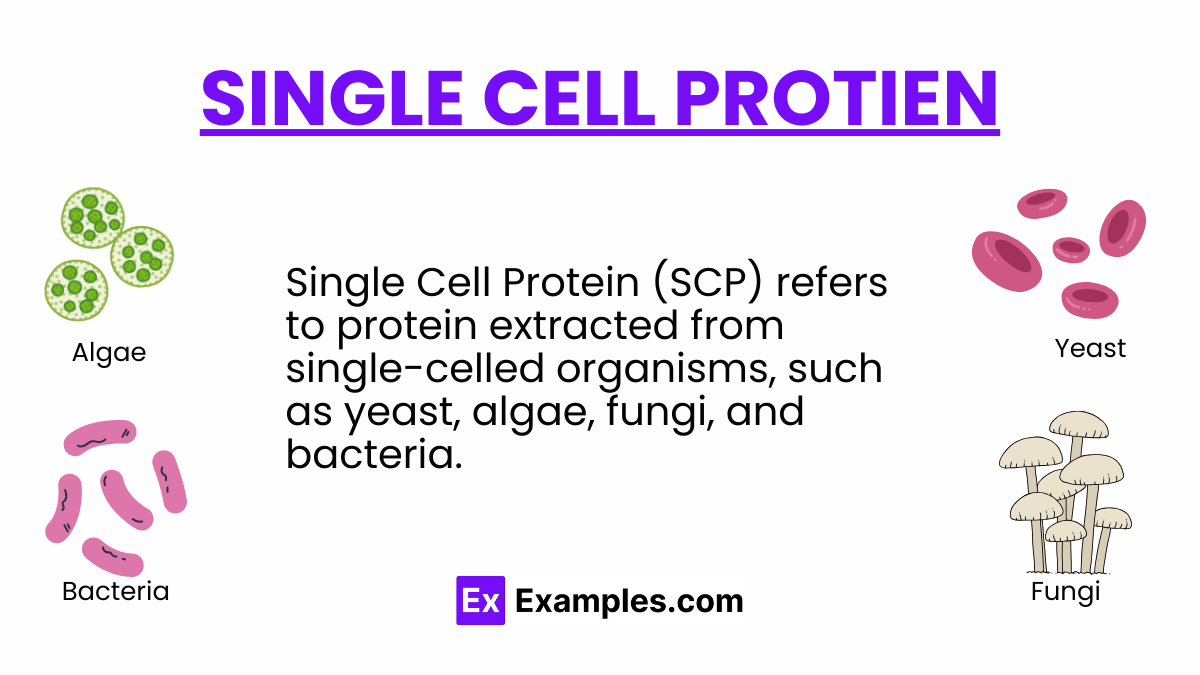
At its core, the single-cell protein meaning is exactly what it sounds like: protein that comes from microscopic, single-celled organisms.
These organisms can include:
- Bacteria
- Yeast
- Algae
- Fungi
Instead of raising animals or growing traditional crops, scientists cultivate these microorganisms in controlled environments, allowing them to grow and multiply rapidly. The result is a protein-rich biomass that can be used as food.
Mycoprotein, for example, is a well-known type of single-cell protein derived from fungi.
How is single-cell protein produced?
The production process is based on fermentation, a method that’s been used for centuries in food production.
Here’s how it typically works:
- Microorganisms are placed in large tanks
- They’re fed nutrients like sugars or other carbon sources
- With oxygen, warmth, and the right conditions, they grow quickly
- The resulting protein-rich material is harvested and processed into food
This method is efficient and highly controlled, which helps maintain consistent quality.
Why is single-cell protein important?
Understanding the single-cell protein meaning is just the start; the real question is why it matters.
- It’s incredibly efficient. Single-cell organisms grow much faster than plants or animals. This means we can produce large amounts of protein in less time and with fewer resources.
- It uses fewer natural resources. Compared to traditional farming, producing single-cell protein generally requires: Less land, Less water, Fewer inputs overall. This makes it a strong candidate for more sustainable food systems.
- It can help feed a growing population. As the global population increases, so does the demand for protein. Single-cell protein offers a scalable solution that doesn’t rely on expanding farmland or livestock production.
Nutritional benefits
Single-cell protein isn’t just efficient, it’s also highly nutritious.
Depending on the source, it can offer:
- High protein content
- Essential amino acids (complete protein)
- Fiber (in some types, like fungal-based proteins)
- Low fat levels
This makes it suitable for a wide range of diets, from fitness-focused eating to plant-based lifestyles.
Where is it used?
Single cell protein is already being used in several ways:
- Meat alternatives (like mycoprotein-based products)
- Protein supplements
- Fortified foods and snacks
- Animal feed
As technology advances, you’ll likely see it appear in even more everyday products.
Is it the future of food?
Single cell protein isn’t just a trend; it represents a shift in how we think about food production.
It offers a way to:
- Produce protein more sustainably
- Reduce reliance on traditional agriculture
- Create consistent, high-quality nutrition
While it may not completely replace current food systems, it’s likely to become an important part of a more balanced and resilient approach to feeding the world.
Final thoughts
So, what does the single-cell protein mean? It’s a protein made from microscopic organisms, grown efficiently through fermentation and designed to meet modern nutritional and environmental needs.
As interest in sustainability and health continues to grow, single-cell protein is set to play a much bigger role not just in niche products, but in the everyday foods we eat.