
How to increase protein intake without changing your routine
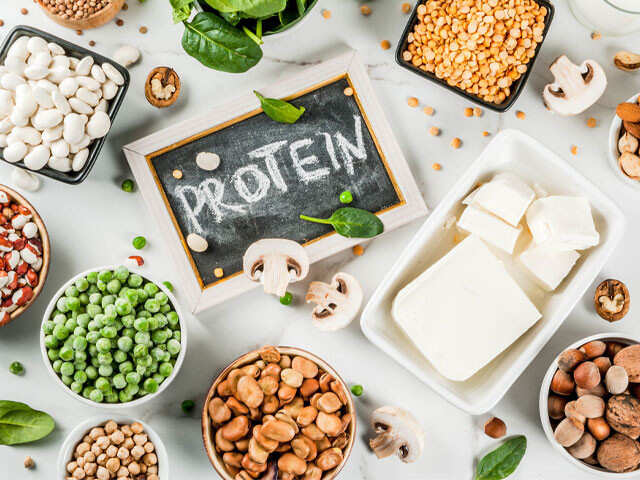
Many people want to eat more protein but assume it requires strict diets or major lifestyle changes. In reality, learning how to increase protein intake can be simple and practical. Small adjustments to what you already eat can make a meaningful difference without disrupting your routine.
What does increasing protein intake mean?
To understand how to increase protein intake, it helps to know what protein does. Protein supports muscle repair, helps maintain energy, and keeps you feeling full for longer. Increasing your intake simply means incorporating more protein-rich foods into your existing meals and snacks, rather than completely changing how you eat.
Add protein to meals you already eat
One of the easiest ways to increase protein intake is to build on meals you already have.
For example, you can:
- Add Greek yogurt or protein powder to breakfast
- Include eggs or a plant-based protein source in meals
- Add beans, lentils, or tofu to salads and bowls
These small additions increase protein without changing the structure of your meals.
Choose higher-protein alternatives
Another effective way to increase protein intake is to swap foods rather than add more.
Examples include:
- Choosing Greek yogurt instead of regular yogurt
- Selecting higher-protein bread or wraps
- Replacing low-protein snacks with protein-rich options
These changes require no extra effort but gradually increase your overall protein intake.
Upgrade your snacks
Snacking is one of the easiest opportunities to increase protein intake throughout the day.
Instead of low-nutrient snacks, choose options like:
- Nuts and seeds
- Protein bars
- Yogurt or dairy alternatives
- Functional snacks made with mycoprotein or plant-based protein
These options help maintain energy levels while contributing to your daily protein needs.
Add protein to drinks
Drinks are often overlooked, but they offer a simple way to increase protein intake.
You can:
- Add protein powder to smoothies
- Use high-protein milk alternatives
- Blend fruit with yogurt or protein sources
This is especially useful for busy schedules when preparing full meals is difficult.
Spread protein across the day
Instead of focusing all your protein in one meal, spreading it throughout the day can be more effective.
For example:
- Include protein at breakfast
- Add a protein-rich snack between meals
- Ensure lunch and dinner contain a solid protein source
This approach helps maintain energy and supports consistent nutrition.
Be mindful of quality
Not all protein sources are equal. When increasing protein intake, it’s important to choose options that are balanced and nutritious.
Look for foods that provide:
- Complete protein with essential amino acids
- Minimal added sugars
- Natural or less processed ingredients
This ensures you’re improving your diet, not just increasing protein numbers.
Make it sustainable
The key to increasing protein intake is consistency, not perfection. By making small, repeatable changes, you can build a routine that naturally includes more protein over time.
This might look like:
- Keeping high protein snacks on hand
- Choosing better options when shopping
- Making simple upgrades to everyday meals
Final thoughts
Learning how to increase protein intake doesn’t require a complete lifestyle change. By adding to meals, making simple swaps, and choosing smarter snacks, you can increase your protein intake in a way that fits your daily routine.
Over time, these small changes can improve energy levels, support fitness goals, and contribute to a more balanced diet.